

The wellness industry continues to grow rapidly, and meditation applications have become one of the most successful segments within digital health. As stress, anxiety, sleep disorders, and burnout become increasingly common, millions of users turn to meditation apps for daily mental wellness support.
In 2026, creating a meditation app is no longer just about providing audio sessions. Users expect personalized experiences, AI-powered recommendations, healing journeys, sleep support, progress tracking, and engaging wellness content—delivered through polished mobile app development on both iOS and Android.
This guide covers everything you need to know about building a meditation app in 2026—like Calm, Headspace, and Insight Timer.
The Meditation App Market in 2026
The global wellness and mental health technology market continues to expand as more consumers prioritize emotional wellbeing and stress management.
Several factors are driving market growth:
- Increasing awareness of mental health
- Growing demand for sleep improvement solutions
- Remote work and digital lifestyles
- Corporate wellness initiatives
- Rising adoption of subscription-based wellness platforms
- AI-powered personalization technologies
Popular meditation apps such as Calm, Headspace, and Insight Timer have demonstrated that users are willing to pay for high-quality wellness content that delivers measurable benefits—creating strong demand for new mindfulness products, sleep-focused platforms, and niche wellness apps.
How to Build a Meditation & Wellness App
Building a successful meditation or wellness app starts with understanding what users expect from modern digital wellbeing products: guided sessions, sleep support, daily routines, mood-based recommendations, and subscription-based access to premium content—all delivered through a polished mobile experience on iOS and Android.
Whether you are launching a mindfulness app, mental wellness platform, sleep app, or holistic wellbeing product, prioritize these product pillars:
- Large guided meditation library
- Sleep stories and ambient soundscapes
- Daily meditation streaks and reminders
- Structured multi-day programs
- Premium subscription with freemium entry
- Clean, minimal UI with fast audio playback
- Offline downloads for travel and bedtime
- Personalized recommendations
Most new wellness apps differentiate through a specific audience—corporate wellness, faith-based meditation, women's health, student stress relief, or regional languages—rather than launching every feature on day one. Start with a focused MVP, then expand into sleep, breathing, and healing journeys as retention grows.
Why Invest in a Meditation App?
Meditation apps offer multiple advantages for entrepreneurs and wellness brands:
Large Addressable Audience
Potential users include:
- Working professionals
- Students
- Parents
- Entrepreneurs
- Athletes
- Healthcare workers
- Seniors
Recurring Revenue Opportunities
Unlike many mobile applications, meditation platforms naturally support recurring subscriptions.
Global Reach
Meditation content can be delivered worldwide with minimal localization efforts compared to other industries.
Essential Features of a Meditation App
1. User Registration & Profile Management
Allow users to:
- Sign up using email, Google, Apple, or phone number
- Create wellness goals
- Select interests
- Set preferred meditation duration
- Manage subscriptions
2. Guided Meditation Library
This is the core feature of the platform. Categories may include:
- Stress Relief
- Anxiety Management
- Deep Sleep
- Mindfulness
- Self-Confidence
- Focus & Productivity
- Emotional Healing
- Gratitude
- Spiritual Growth
- Breathing Exercises
Each session should include audio content, duration, difficulty level, instructor information, and user ratings.
3. Healing Programs
Healing programs are becoming increasingly popular in 2026. Examples include:
- Anxiety Healing Journey
- Emotional Recovery Program
- Relationship Healing
- Self-Love Transformation
- Trauma Recovery Support
- Inner Peace Journey
- Confidence Building Program
Programs can be structured into 7-day courses, 14-day courses, 21-day challenges, or 30-day transformations.
4. Sleep Meditation
Many users download meditation apps specifically to improve sleep. Features may include:
- Sleep stories
- Sleep sounds
- White noise
- Nature sounds
- Guided sleep meditations
- Bedtime routines
5. Breathing Exercises
Interactive breathing sessions can help improve user engagement. Popular exercises include Box Breathing, 4-7-8 Breathing, Deep Breathing, Relaxation Breathing, and Focus Breathing.
6. Daily Meditation Plans
Provide personalized daily recommendations based on user goals, meditation history, mood tracking, and completion rates.
7. Progress Tracking
Users should be able to track meditation minutes, daily streaks, course completion, healing journey progress, and wellness milestones.
8. AI-Powered Personalization
Artificial intelligence can recommend relevant sessions, healing programs, sleep content, and daily meditation schedules—significantly improving user retention.
9. Push Notifications
Examples include daily meditation reminders, program completion reminders, streak alerts, and new content announcements.
10. Community Features
Optional community features include meditation groups, discussion forums, guided challenges, and wellness communities.
Meditation App Admin Panel
A powerful admin panel is essential for managing content and users.
Content Management
Administrators should be able to upload audio sessions, manage categories, create healing programs, publish sleep stories, and organize playlists.
User Management
Functions include user monitoring, subscription management, user support, and account moderation.
Analytics Dashboard
Track daily active users, monthly active users, session completion rates, revenue metrics, subscription conversions, and retention rates.
Instructor Management
Manage meditation teachers, audio uploads, revenue sharing, and performance analytics.
Promotional Management
Control discount campaigns, coupons, referral rewards, and marketing banners.
Revenue Models for Meditation Apps
1. Subscription Model
The most popular approach. Plans may include monthly, quarterly, and annual subscriptions—offering predictable recurring revenue and higher customer lifetime value.
2. Freemium Model
Free tier
- Basic meditations
- Limited healing programs
Premium tier
- Advanced courses
- Personalized plans
- Sleep content
- Offline access
3. Course Purchases
Users can buy individual healing journeys or premium programs.
4. Corporate Wellness Packages
Offer subscriptions to companies for employee wellness programs.
5. In-App Purchases
Examples include premium audio packs, special healing courses, and exclusive workshops.
6. Live Sessions
Host live meditation classes, group healing sessions, and wellness webinars.
User Acquisition Strategy (UA)
Building the app is only the first step. Acquiring users is equally important.
Content Marketing
Create content around meditation techniques, mental wellness, stress reduction, sleep improvement, and mindfulness practices.
SEO
Target keywords such as meditation app, mindfulness app, sleep meditation app, guided meditation app, anxiety relief meditation, healing meditation app, app like Calm, Calm app clone, build app like Calm, Calm alternative, Headspace alternative, and wellness app development. Long-tail searches like "how to create a meditation app like Calm" and "cost to build Calm-like app" often indicate high-intent founders ready to invest in development.
Social Media Marketing
Focus on Instagram, YouTube, TikTok, LinkedIn, and Facebook.
Influencer Partnerships
Collaborate with wellness coaches, meditation instructors, mental health advocates, and yoga professionals.
Referral Programs
Reward users for inviting friends.
App Store Optimization (ASO)
Optimize keywords, screenshots, reviews, and app descriptions for both Apple App Store and Google Play.
Estimated Development Cost in 2026
MVP version
Features:
- User authentication
- Guided meditation library
- Audio streaming
- Subscription management
Estimated timeline: 3–4 months
Advanced platform
Features:
- AI recommendations
- Healing programs
- Sleep stories
- Analytics
- Community features
Estimated timeline: 6–9 months
Actual development cost depends on platform selection, design complexity, AI integration, content production, and infrastructure requirements.
Platform choice
iOS, Android, or both?
Most successful meditation apps launch on both platforms. Whether you choose cross-platform frameworks or native builds, partner with teams experienced in iOS app development and Android app development to deliver reliable audio streaming, subscriptions, and App Store compliance from day one.
Recommended Technology Stack
Mobile Apps
- Flutter
- React Native
- Native iOS (Swift)
- Native Android (Kotlin)
Backend
- Node.js
- Python
- .NET
Database
- PostgreSQL
- MongoDB
Cloud Infrastructure
- AWS
- Google Cloud
- Microsoft Azure
Future Trends in Meditation Apps
The future of meditation applications will likely include:
- AI meditation coaches
- Voice-guided personalization
- Wearable integrations
- Mental wellness analytics
- Emotion detection
- Personalized healing journeys
- Smart recommendations based on mood and behavior
Businesses entering the market now have an opportunity to establish strong positions before these technologies become mainstream.
Conclusion
The meditation app market in 2026 presents a significant opportunity for entrepreneurs, wellness brands, and digital health startups. Success depends on combining high-quality guided meditation content, structured healing programs, AI-powered personalization, and sustainable monetization strategies.
By focusing on user experience, content quality, and long-term engagement, businesses can build meditation platforms—whether a niche mindfulness app or a full Calm-like wellness product—that improve users' wellbeing while generating recurring revenue. Softovate helps teams plan, design, and ship wellness products through end-to-end mobile app development—from MVP through scale.
Frequently Asked Questions (FAQs)
-
How much does it cost to build a meditation app in 2026?
The cost depends on features, platforms, content creation, AI integrations, and backend complexity. MVP solutions require significantly less investment than enterprise-grade wellness platforms.
-
What are the most important features in a meditation app?
Guided meditation, healing programs, sleep content, progress tracking, personalization, subscriptions, and push notifications are among the most important features.
-
How do meditation apps make money?
Most platforms use subscriptions, premium content sales, live sessions, corporate wellness programs, and in-app purchases.
-
Is AI useful for meditation apps?
Yes. AI can personalize content recommendations, improve retention, create wellness plans, and enhance user engagement.
-
How long does it take to develop a meditation app?
A basic MVP typically takes 3–4 months, while a feature-rich wellness platform may require 6–9 months or longer depending on scope.
-
How do I create an app like Calm?
To build an app like Calm, start with core features: guided meditations, sleep content, daily plans, subscriptions, offline audio, and push reminders. Use original content and a clear niche rather than copying Calm directly. Most teams launch an MVP in 3–4 months, then add healing programs, AI personalization, and community features. Work with experienced mobile app developers for iOS and Android delivery.
-
How much does a Calm app clone cost to build?
A Calm app clone or Calm-inspired MVP typically costs less than a full enterprise wellness platform because scope can be phased. Budget depends on custom design, content production, subscription integrations, and whether you build for iOS, Android, or both. A focused MVP with meditation library, sleep audio, and payments often takes 3–4 months; advanced Calm-like features such as AI recommendations and multi-program journeys extend timelines to 6–9 months.
-
Can meditation apps include healing and therapy-related content?
Yes. Many successful platforms offer healing journeys, emotional wellness programs, stress management courses, and guided self-improvement content. However, they should clearly distinguish wellness content from licensed medical or therapeutic services where required.
Latest Blogs
View All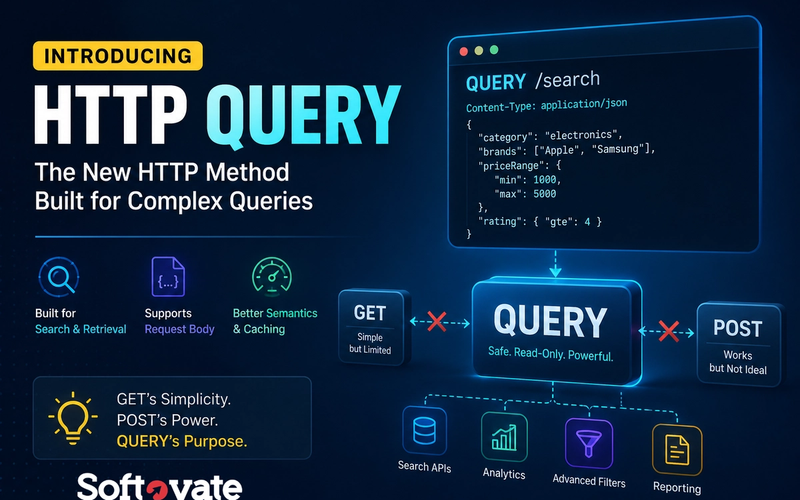
The Missing HTTP Method Is Finally Here: HTTP QUERY Explained
HTTP QUERY is a new HTTP method designed specifically for read-only data retrieval that requires a request body. Learn why GET requests struggle with complex searches, why POST became an imperfect workaround, and how HTTP QUERY provides a cleaner, standards-based solution for modern APIs.
- Web Development
- API Development
- Backend Development
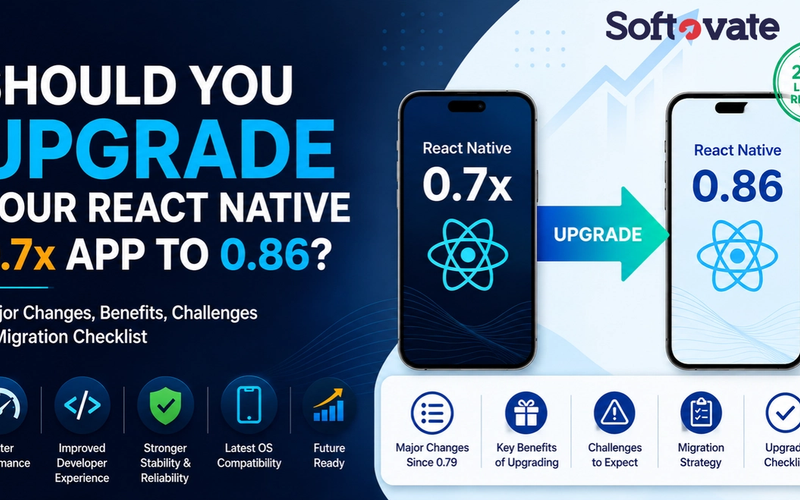
Should You Upgrade to React Native 0.86? Complete Guide for React Native 0.7x Apps
Still running React Native 0.7x? Learn what's changed from React Native 0.80 to 0.86, the benefits of upgrading, potential challenges, migration strategy, upgrade checklist, and the impact on your existing mobile application.
- React Native
- Mobile App Development
- Hire React Native Developer
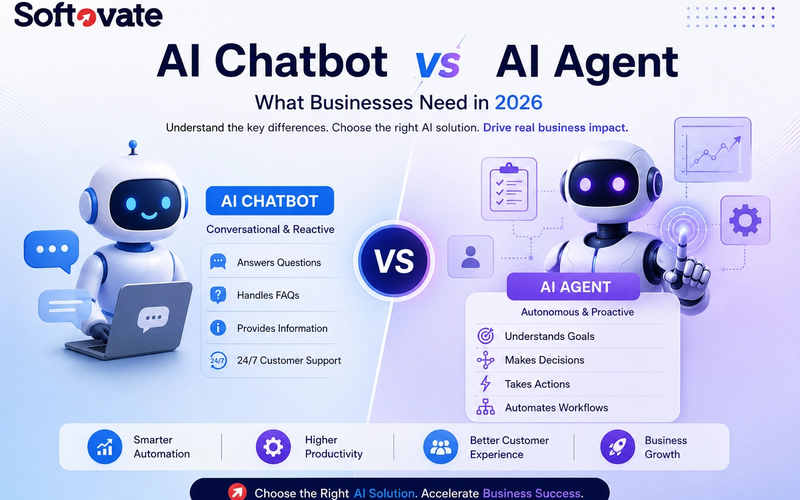
AI Chatbot vs AI Agent: What Businesses Need in 2026
AI Chatbots and AI Agents are often confused, but they solve very different business problems. In this guide, discover the key differences, use cases, costs, and how businesses can leverage AI Agents and AI Chatbots to automate operations, improve customer experience, and drive growth in 2026.
- Artificial Intelligence
- AI Agents
- AI Chatbots