

Many startup founders have a great business idea, funding, or early customers—but one challenge appears repeatedly: they know what they want to build, but they are not sure how to build it correctly. That is where a CTO plays a critical role. Hiring a full-time executive is often expensive and unnecessary early on. That is why more startups are turning to Fractional CTO and Virtual CTO services for senior technology leadership without the full-time cost.
"We know what we want to build, but we're not sure how to build it correctly."
Fractional and Virtual CTO models give startups access to experienced technology leadership—strategy, architecture, team oversight, vendor evaluation, and scalability planning—without the commitment of a full-time hire.
Need senior technical direction without a full-time CTO? Explore our Fractional CTO and Virtual CTO services.
Book a free consultation →
What Is a CTO?
A Chief Technology Officer (CTO) is responsible for:
- Technology strategy
- Product architecture
- Technical team leadership
- Development planning
- Security and scalability
- Vendor selection
- Technical hiring
- Product roadmap alignment
A good CTO does not just manage developers—they ensure technology supports business goals.
What Is a Fractional CTO?
A Fractional CTO is an experienced technology leader who works with your company on a part-time basis. Instead of hiring a full-time executive, businesses gain senior expertise for a fraction of the cost.
A Fractional CTO may work a few hours per week, a few days per month, on specific projects, or during critical growth phases. Think of it as having a senior technology partner when you need one.
What Is a Virtual CTO?
A Virtual CTO performs many of the same responsibilities as a traditional CTO but operates remotely. They provide strategic technology guidance, team leadership, and technical oversight without being physically present in your office.
Services are often delivered through video meetings, project management tools, documentation, technical reviews, and team mentoring. For many modern startups, a Virtual CTO is practically indistinguishable from an in-house CTO.
Fractional CTO vs Virtual CTO
The terms are often used interchangeably, but there are subtle differences. In reality, many CTO consultants function as both.
| Fractional CTO | Virtual CTO |
|---|---|
| Focuses on part-time engagement | Focuses on remote engagement |
| Works a fraction of full-time hours | Works virtually from any location |
| May be remote or hybrid | Usually fully remote |
| Cost-effective leadership | Flexible remote leadership |
Fractional CTO
Part-time senior leadership scaled to your stage—ideal when you need strategic guidance without a full executive salary.
Virtual CTO
Remote technology leadership delivered through structured advisory, reviews, and team mentoring—ideal for distributed startups.
Why Startups Need CTO Leadership
Many startup failures are not caused by bad ideas. They are caused by poor technology decisions.
- Choosing the wrong technology stack
- Hiring the wrong development team
- Building unnecessary features
- Ignoring scalability
- Security vulnerabilities
- Lack of technical planning
A CTO helps prevent expensive mistakes before they happen.
Benefits of Hiring a Fractional or Virtual CTO
1. Access to Senior Technology Expertise
Hiring an experienced CTO full-time can be costly. With a Fractional CTO, startups gain strategic planning, product guidance, technical leadership, and industry best practices—without a full executive salary.
2. Better Technology Decisions
One of the biggest startup mistakes is selecting technology based on trends rather than requirements. A CTO helps answer questions that affect costs, timelines, and scalability:
- Native or cross-platform?
- React Native or Flutter?
- AWS or Azure?
- Monolith or microservices?
- Build or buy?
3. Faster Product Development
Many development projects fail because there is no technical leadership. A CTO helps define requirements, prioritize features, create roadmaps, reduce technical debt, and improve team productivity—often resulting in faster, more predictable delivery.
4. Avoid Expensive Mistakes
Poor technical decisions can cost thousands of dollars and months of rework: rebuilding infrastructure, migrating databases, rewriting applications, or fixing architectural flaws. A CTO helps identify risks early.
5. Vendor & Development Team Evaluation
Many founders struggle to evaluate software agencies, freelancers, development partners, and technical proposals. A CTO can review estimates, evaluate architecture, validate timelines, assess code quality, and ensure vendor accountability.
6. Technical Hiring Support
Hiring developers is challenging. A CTO can assist with job descriptions, technical interviews, skill assessment, and team structure planning—reducing hiring risks and improving team quality.
7. Product Scalability Planning
Many startups build for today's users. A CTO helps prepare for tomorrow's growth across cloud infrastructure, database design, security, performance optimization, and DevOps planning.
8. Investor Confidence
Investors evaluate technology risk, product architecture, and development strategy. Experienced technology leadership can improve investor confidence during fundraising and help answer technical due diligence questions professionally.
When Should You Hire a Fractional CTO?
A Fractional CTO can be valuable when:
You have an idea but no technical co-founder
Many founders understand the business problem but need technical guidance to translate vision into a buildable product.
You're building an MVP
A CTO can help define scope, technology stack, architecture, and team requirements before development begins. See our MVP development approach for lean, validation-focused builds.
You're managing an external development team
A CTO ensures your agency or development partner is building the product correctly—with the right architecture, standards, and accountability.
Your product is growing
As user numbers increase, technical complexity grows. A CTO helps prepare for scale through product engineering discipline and long-term architecture planning.
You're preparing for investment
Investors often ask difficult technical questions. A CTO helps ensure you are ready for due diligence.
Validating an idea or scaling a product? Combine MVP development and product engineering for end-to-end leadership.
Common Responsibilities of a Fractional CTO
Product strategy
Feature prioritization, roadmap planning, and product validation aligned with business goals.
Technology architecture
System design, cloud architecture, and scalability planning for current and future growth.
Development management
Sprint planning, team leadership, and code reviews that keep delivery predictable.
Security & DevOps
Compliance, risk assessment, CI/CD pipelines, monitoring, and infrastructure optimization.
Industries That Benefit from Fractional CTO Services
- SaaS
- Healthcare
- Fintech
- eCommerce
- Logistics
- Real estate
- Education
- AI startups
- Marketplaces
- Social platforms
How Much Does a Fractional CTO Cost?
Unlike a full-time CTO, a Fractional CTO offers flexibility. Engagement models typically include hourly consulting, weekly retainers, monthly retainers, or project-based advisory.
The actual investment depends on scope, startup stage, product complexity, and involvement level. For many startups, this approach provides significant cost savings compared to hiring a full-time executive—while still delivering senior leadership when it matters most.
Signs Your Startup Needs a CTO
- You're unsure which technology stack to choose
- Development costs keep increasing
- Product requirements keep changing
- You're struggling to hire developers
- You need technical leadership
- You're preparing for fundraising
- Your current development process lacks direction
Why Many Startups Choose Fractional CTO Services First
Hiring a full-time CTO makes sense once product-market fit is established, funding is secured, team size increases, and technical complexity grows. Until then, a Fractional CTO often delivers most of the value at a fraction of the cost.
It is a practical way to gain senior technology leadership while maintaining financial flexibility—especially in 2026, when speed, architecture quality, and vendor accountability matter more than ever.
Final Thoughts
A Fractional CTO or Virtual CTO can be one of the most valuable investments a startup makes. Instead of navigating technical decisions alone, founders gain access to experienced leadership that helps align technology with business goals.
Building software is not just about writing code—it is about making the right technical decisions at the right time. If you are not ready to hire a full-time CTO but need strategic technology guidance, a Fractional or Virtual CTO may be the ideal solution for your startup in 2026.
Latest Blogs
View All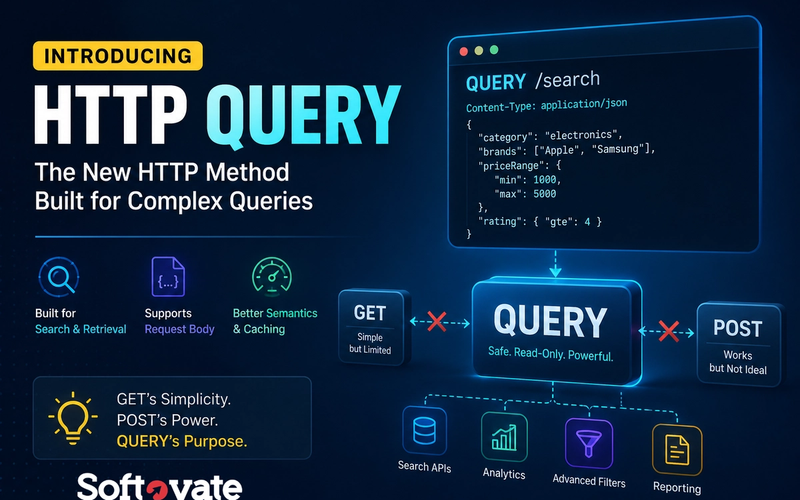
The Missing HTTP Method Is Finally Here: HTTP QUERY Explained
HTTP QUERY is a new HTTP method designed specifically for read-only data retrieval that requires a request body. Learn why GET requests struggle with complex searches, why POST became an imperfect workaround, and how HTTP QUERY provides a cleaner, standards-based solution for modern APIs.
- Web Development
- API Development
- Backend Development

How to Create a Meditation App in 2026: Features, Costs, Revenue Models & Growth Strategy
Planning to build a meditation app in 2026? Learn about essential features, guided meditation, healing programs, admin panel requirements, revenue models, user acquisition strategies, development costs, and monetization opportunities.
- Mobile App Development
- Meditation App
- Wellness App
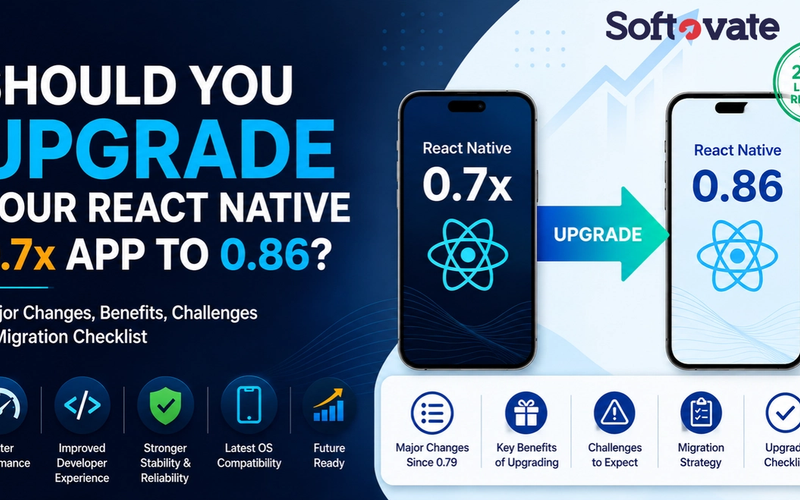
Should You Upgrade to React Native 0.86? Complete Guide for React Native 0.7x Apps
Still running React Native 0.7x? Learn what's changed from React Native 0.80 to 0.86, the benefits of upgrading, potential challenges, migration strategy, upgrade checklist, and the impact on your existing mobile application.
- React Native
- Mobile App Development
- Hire React Native Developer